
In a historic first, President Donald Trump sat inside the United States Supreme Court chamber on April 1 as the nation's highest court heard oral arguments in Trump v. Barbara, the case that will decide whether his January 2026 executive order stripping birthright citizenship from children born to parents on temporary visas is constitutional.
The executive order, signed on Trump's first day back in office, would deny automatic US citizenship to children born in America when both parents are on temporary visas such as H-1B, F-1, L-1 or tourist visas, and neither parent is a citizen or permanent resident. The impact on the Indian community is profound. Indian nationals represent the single largest group of H-1B visa holders in the United States, and hundreds of thousands of Indian American families have US born children whose citizenship could be retroactively threatened if the order is upheld.
After more than two hours of oral arguments, legal analysts and multiple Supreme Court justices appeared deeply skeptical of the administration's position, with between six and eight justices signalling the order likely violates both the 14th Amendment and a 1940 federal immigration statute.
The court is expected to issue its ruling by June or July 2026. Until then, the executive order remains blocked. For millions of Indian visa holders across the Bay Area and beyond, the next few months represent the most consequential immigration legal moment in a generation.

USCIS Hits FY2027 H-1B Visa Cap, Petition Filing Opens Today
Apr 01, 2026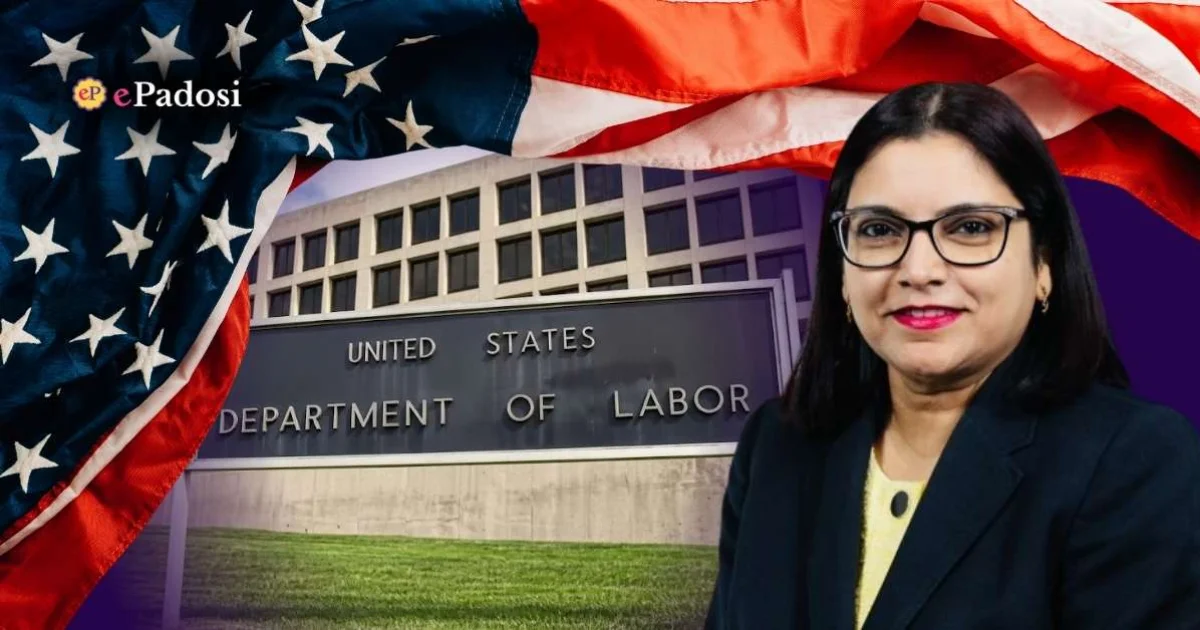
She Built the Tech. She Earned the Title. Mangala Kuppa Named Permanent CIO of the US Department of Labor
Mar 31, 2026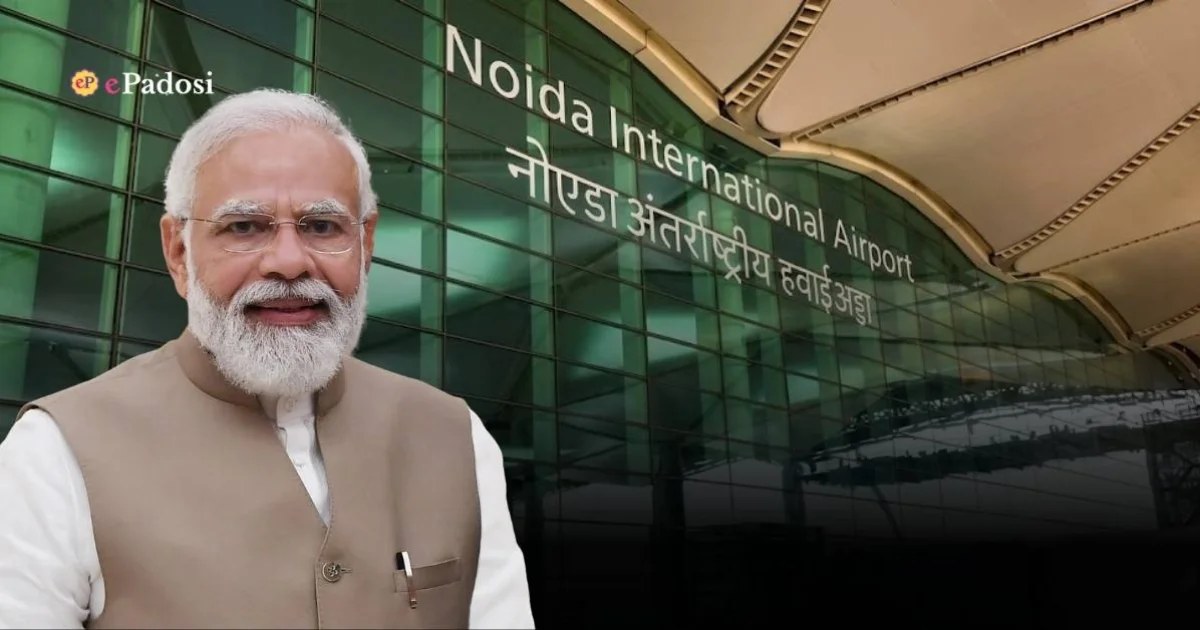
PM Modi Inaugurates Noida International Airport at Jewar
Mar 30, 2026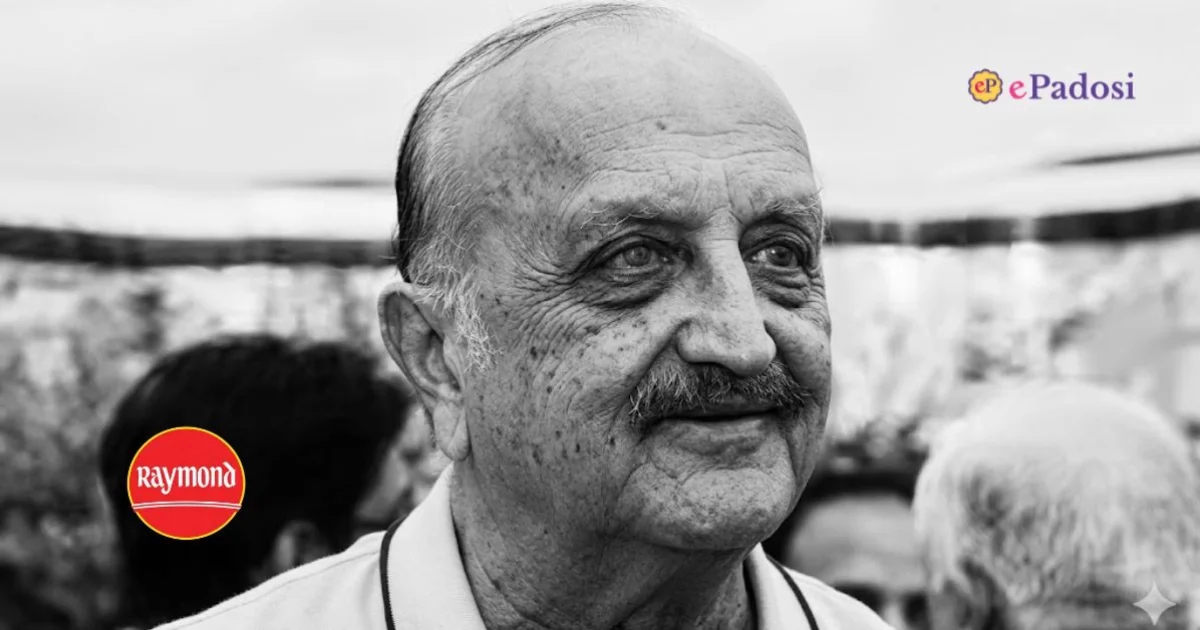
Former Raymond Chairman Vijaypat Singhania Passes Away at 87
Mar 29, 2026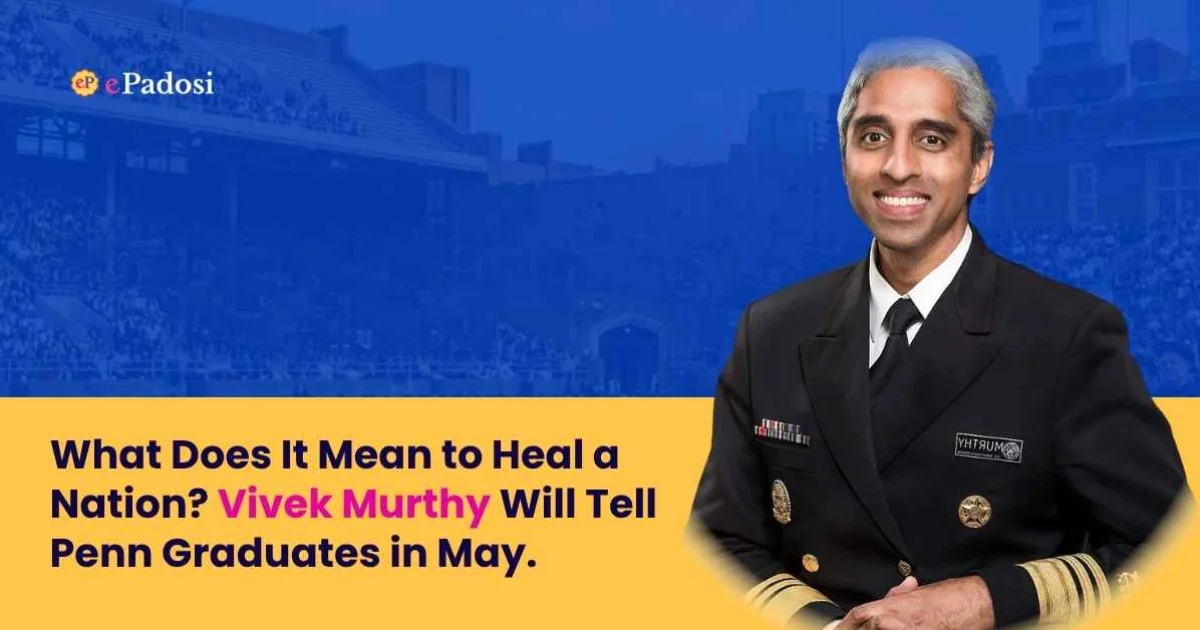
What Does It Mean to Heal a Nation? Vivek Murthy Will Tell Penn Graduates in May.
Mar 28, 2026