


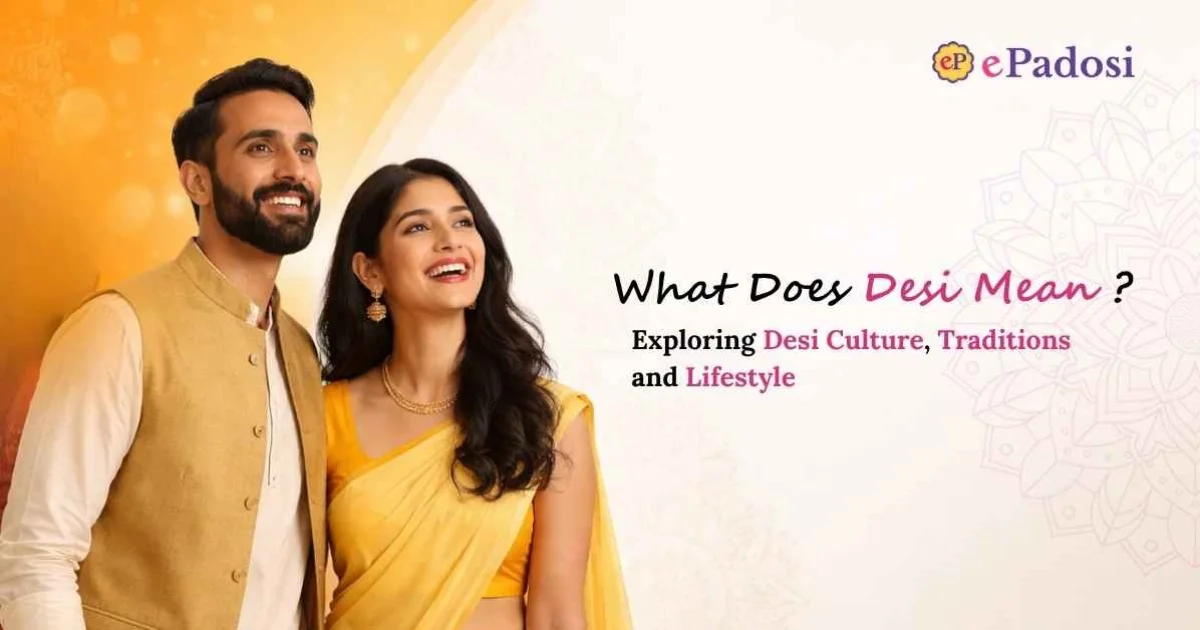
You must have heard of the term “Desi”. It is prevalent in the USA. But what does Desi mean?
It describes people, cultures, and products from South Asian countries: India, Pakistan, Bangladesh, Nepal, Sri Lanka, Bhutan, and the Maldives.
Desi culture and traditions are an important part of the South Asian lifestyle. They include customs, festivals, food, clothing, and daily practices that have been passed on through generations.
Desi culture has deep roots in ancient South Asian civilisations. That also includes the Indus Valley and Vedic period. These early societies created rich traditions that are relevant even today.
The term “Desi” comes from Sanskrit and Urdu, meaning “from the homeland” or “local.” It shows pride in one’s culture and connection to the land.
Desi culture evolved over centuries due to religious, trade, migration, and colonial practices.
Desi traditions build strong communities and family bonds. Festivals, weddings, and rituals bring people together.
They teach values, respect, and social responsibility. Traditions preserve the history and identity of the Desi community for future generations.
These practices connect the past to the present, making cultural heritage visible and meaningful in everyday life.
Desi culture is lively, colourful, and diverse. Customs, rituals, and art forms differ across regions and communities.
Henna designs, classical music, folk dances, and colourful clothing all show creativity. Hospitality, warmth, and food are central to social gatherings.
Desi culture also values respect for elders, community support, and family ties, which remain strong in daily life.
Desi fashion is a blend of tradition and modern style. Sarees, kurtas, lehengas, and sherwanis are widely worn for celebrations.
Modern designers incorporate traditional embroidery, fabrics, and motifs into contemporary fashion. This brings global attention to South Asian culture.
Fashion trends often cross borders, inspiring designers worldwide while keeping Desi heritage alive and respected.
Desi food is famous for rich flavors, spices, and variety. Popular dishes include butter chicken, chicken tikka masala, paneer tikka, biryani, and gulab jamun.
Street foods like samosas, chaat, and pakoras are also enjoyed in daily life.
Food is more than nourishment—it is a way to celebrate culture, share hospitality, and bring communities together.
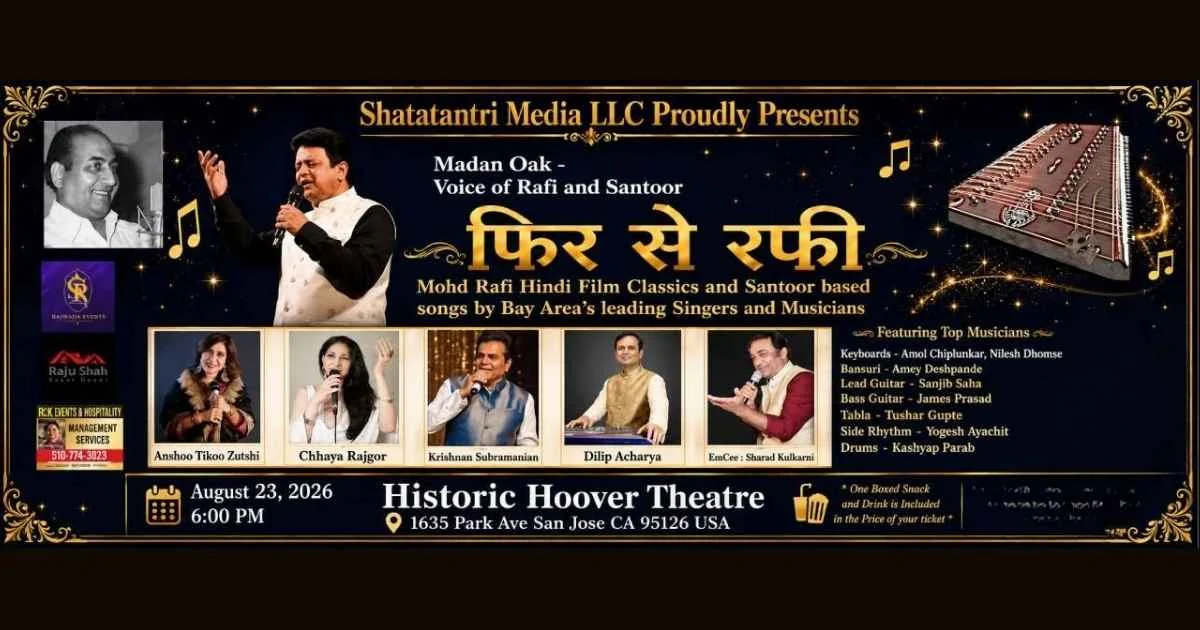
Music and dance are essential parts of Desi culture. Classical styles like Hindustani in the north and Carnatic in the south are widely respected.
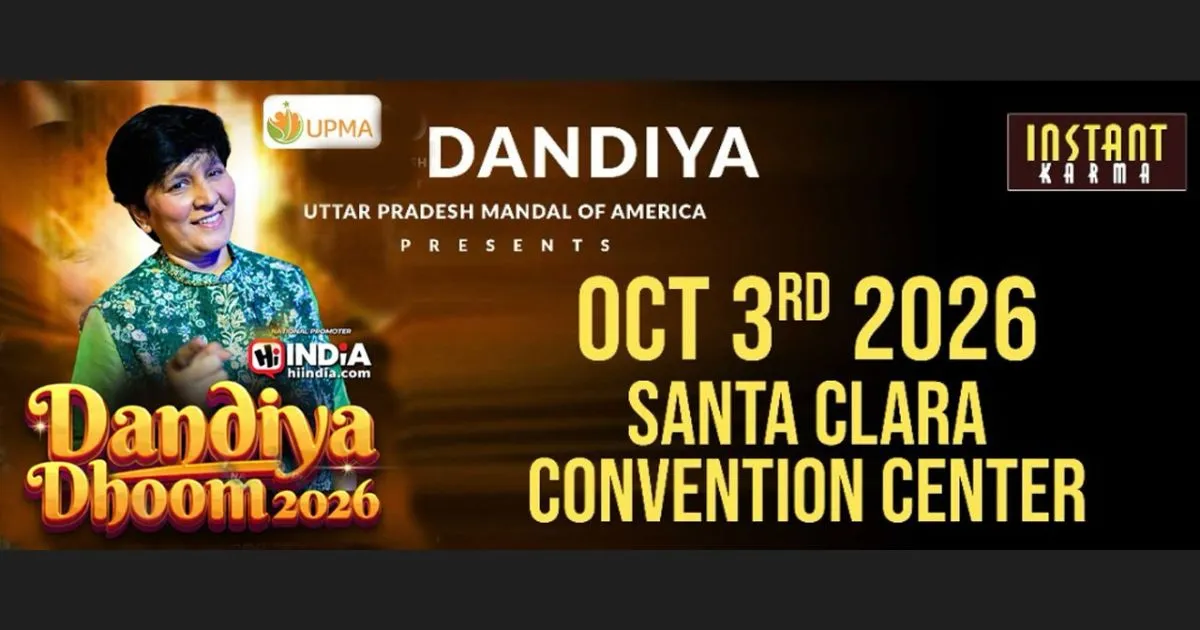
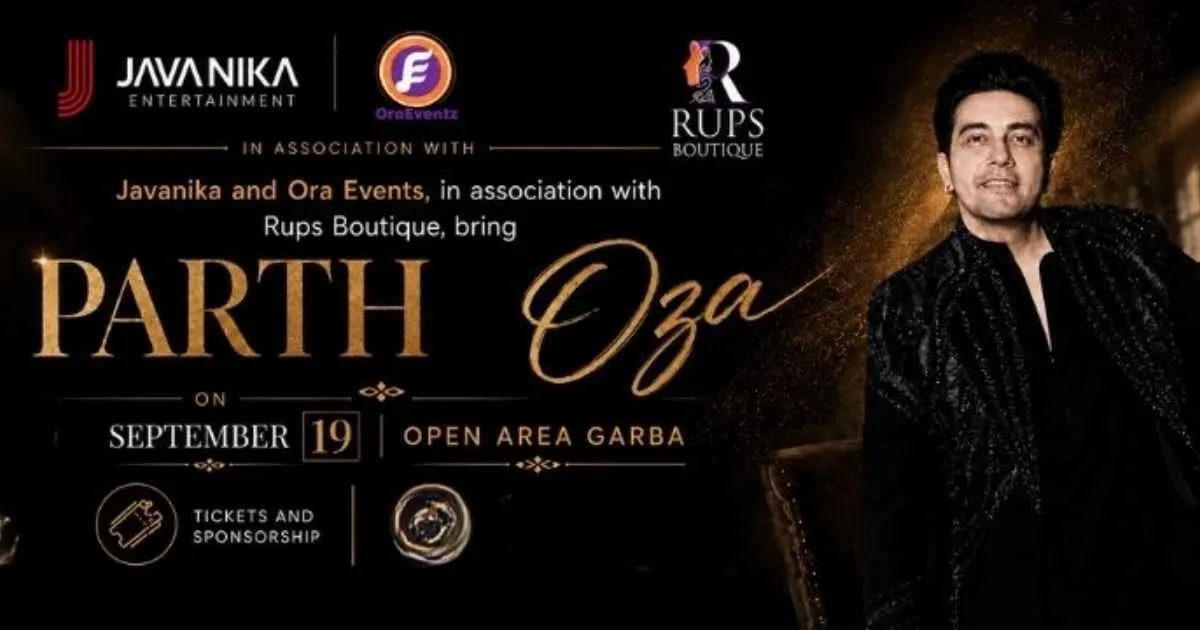
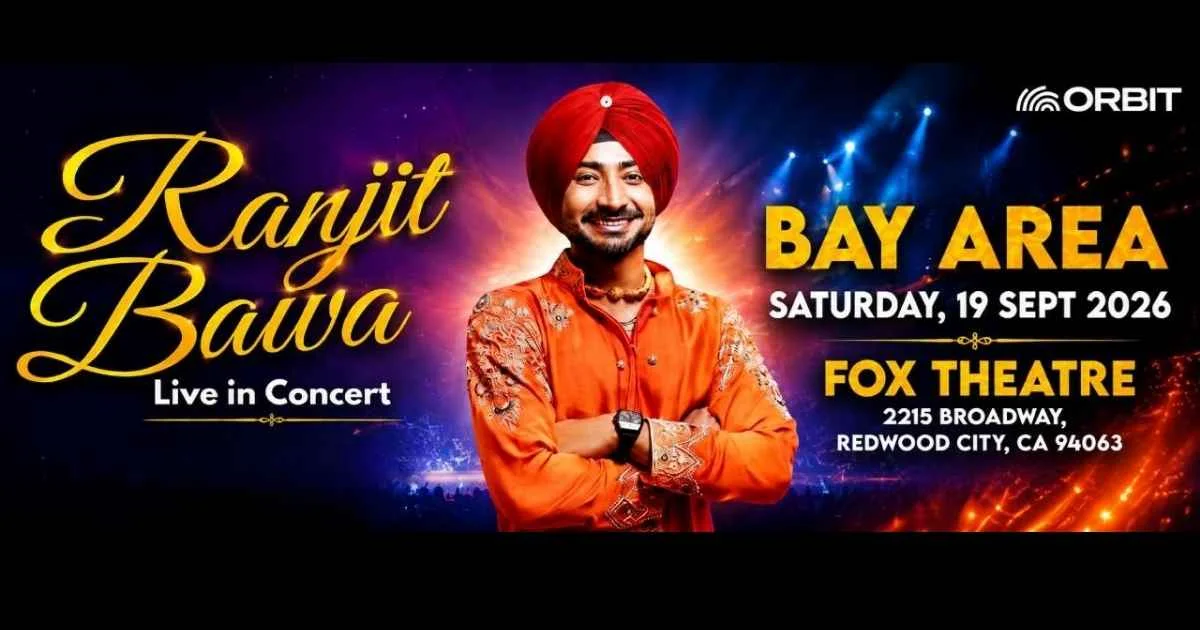
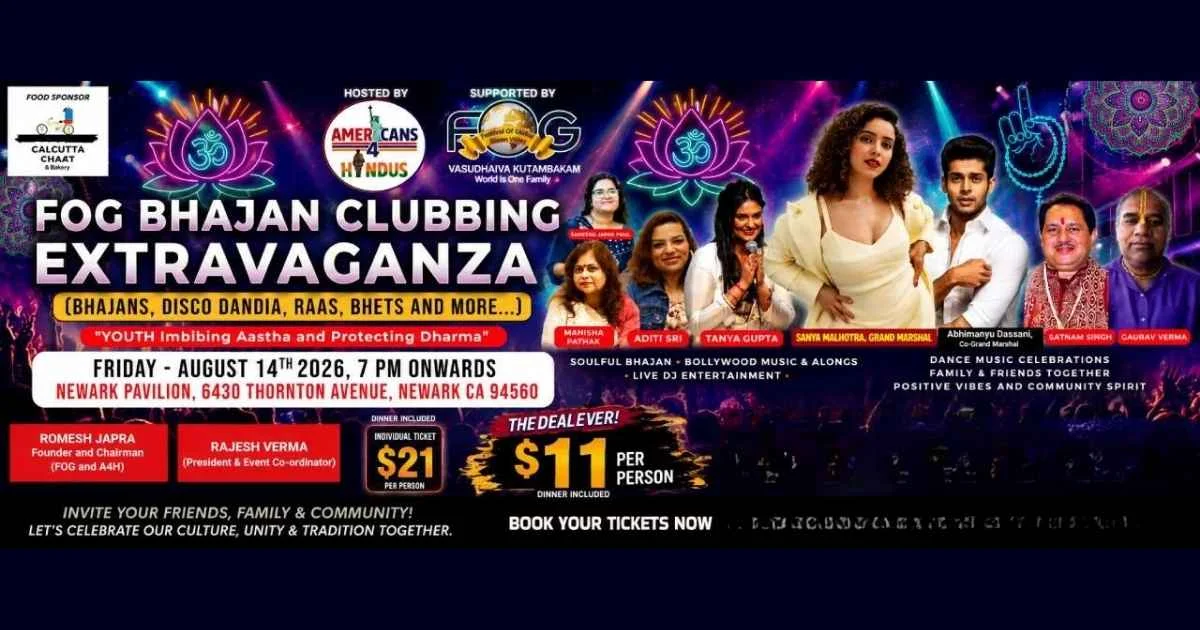
Folk music, devotional songs, and Bollywood tracks also remain popular. Dance styles range from classical Bharatanatyam and Kathak to Bollywood and folk dances.
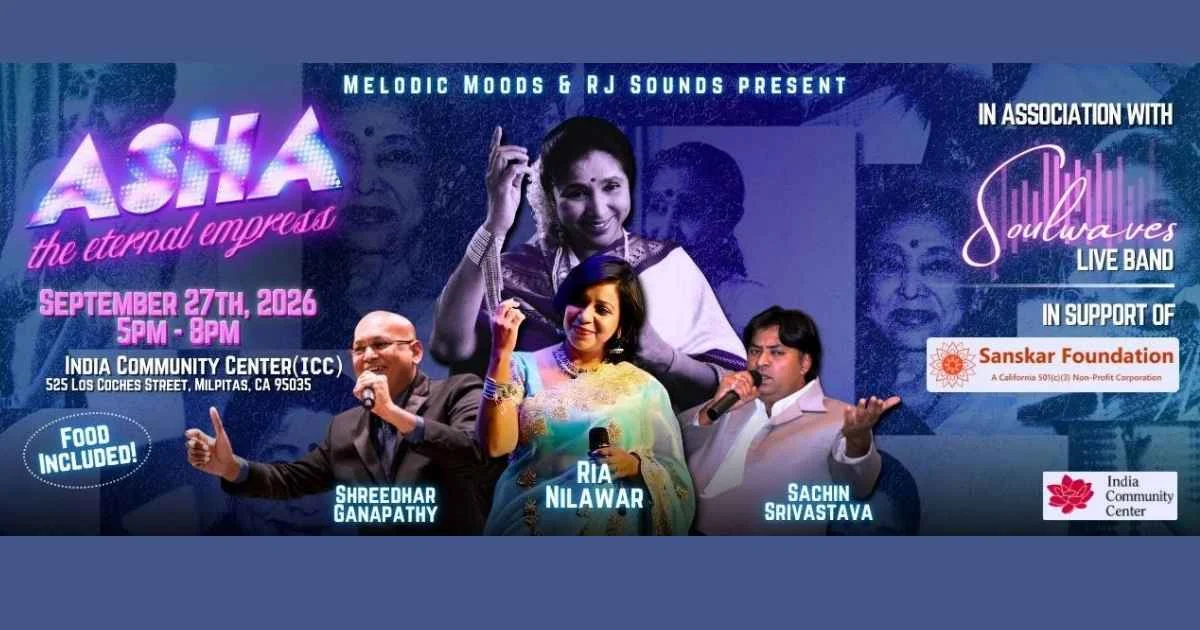
Famous musicians like Ravi Shankar, Nusrat Fateh Ali Khan, A.R. Rahman, and Lata Mangeshkar have brought global attention to Desi music.
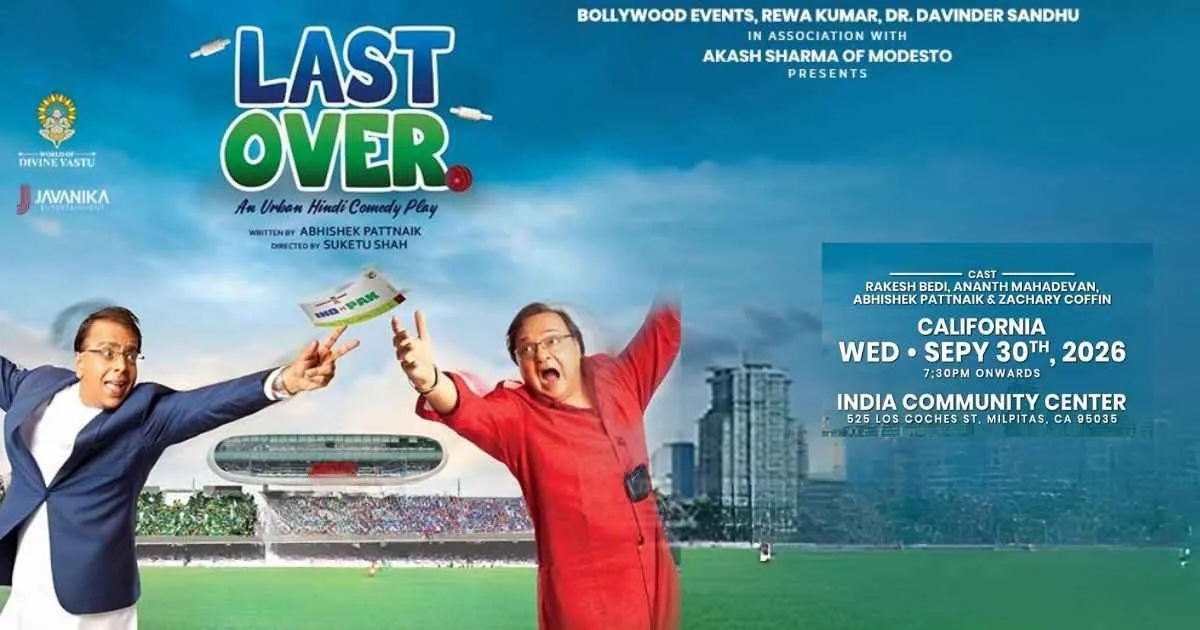
Desi cinema is a major cultural export. Bollywood films tell stories of love, family, society, and culture.
Classics like Sholay, Mother India, and Dilwale Dulhania Le Jayenge are still celebrated worldwide. Independent filmmakers now explore modern stories while honouring tradition.
Desi movies show society, traditions, and identity. They entertain, educate, and connect audiences globally.
Desi lifestyle blends traditional values with modern ideas. Family, community, and cultural identity guide daily life.
Respect for elders, strong social ties, and hospitality are key. Food, music, and celebrations play an important role in creating meaningful connections.
Desi people often balance careers, education, and modern living with cultural practices at home.
Language is central to Desi culture. Hindi, Urdu, Punjabi, Bengali, Tamil, Gujarati, and other languages preserve stories, values, and customs.
Literature, poetry, and folklore convey history, traditions, and life lessons. Language allows younger generations to stay connected to their roots.
Desi culture includes many religions: Hinduism, Islam, Sikhism, Buddhism, Jainism, and Christianity. Each religion contributes festivals, rituals, and beliefs.
Religious practices influence daily life, ethics, and family traditions, making Desi culture rich and varied.
Desi weddings are colourful and elaborate. Rituals like mehndi, sangeet, and the wedding ceremony celebrate love, family, and culture.
Food, music, dance, and attire all reflect regional and community traditions. Weddings are social events that strengthen family bonds.
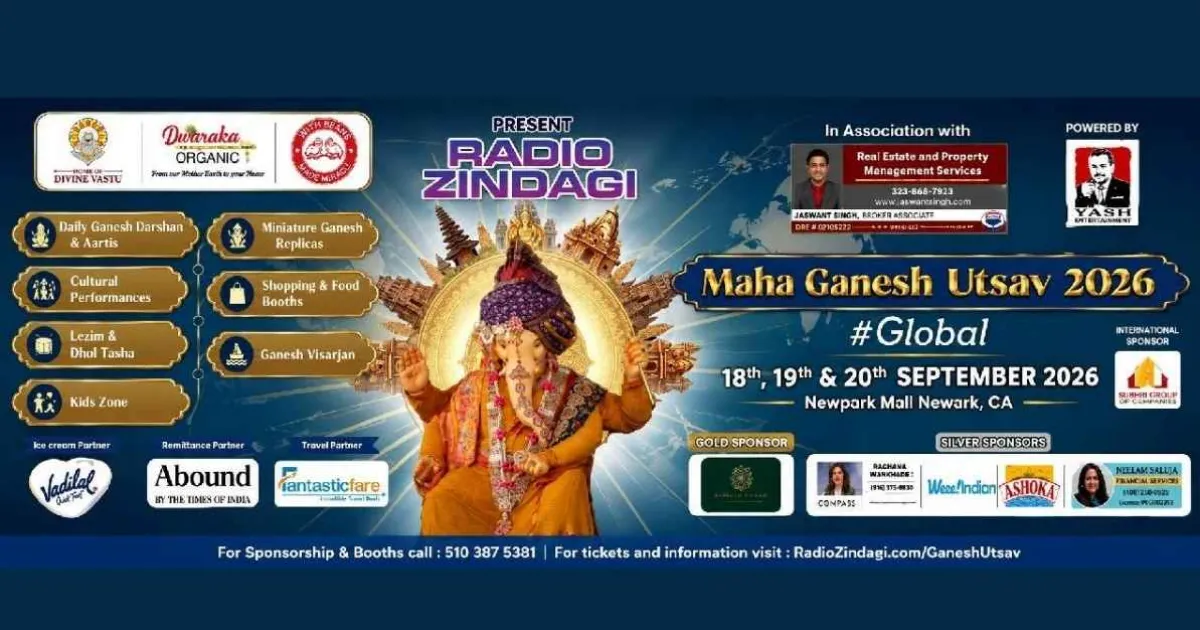
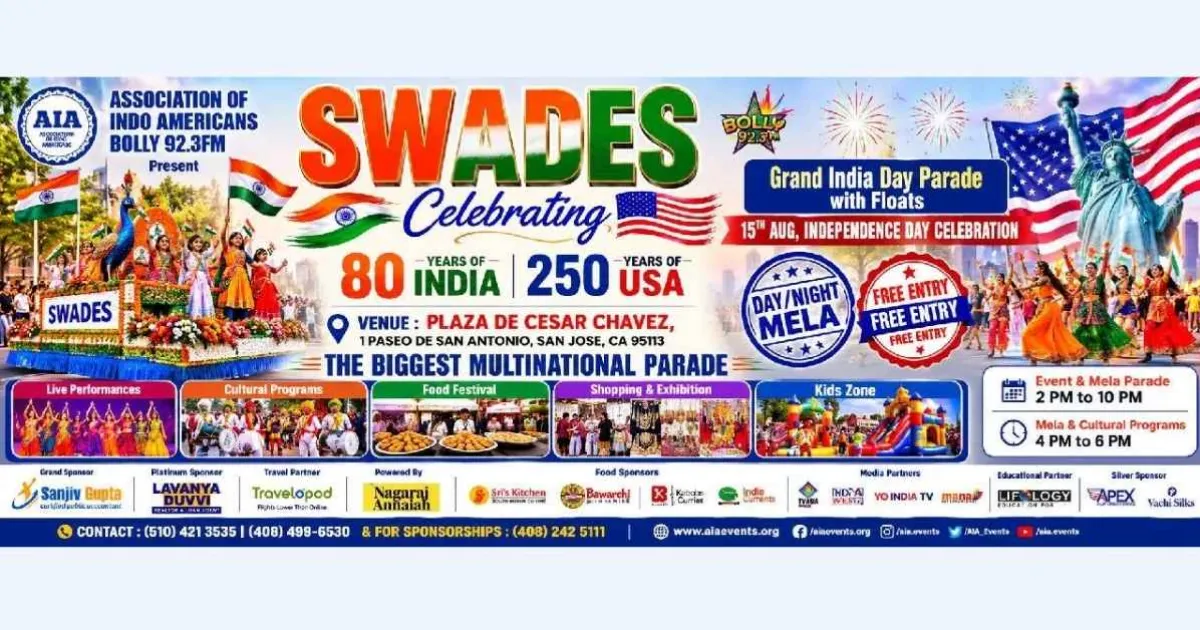
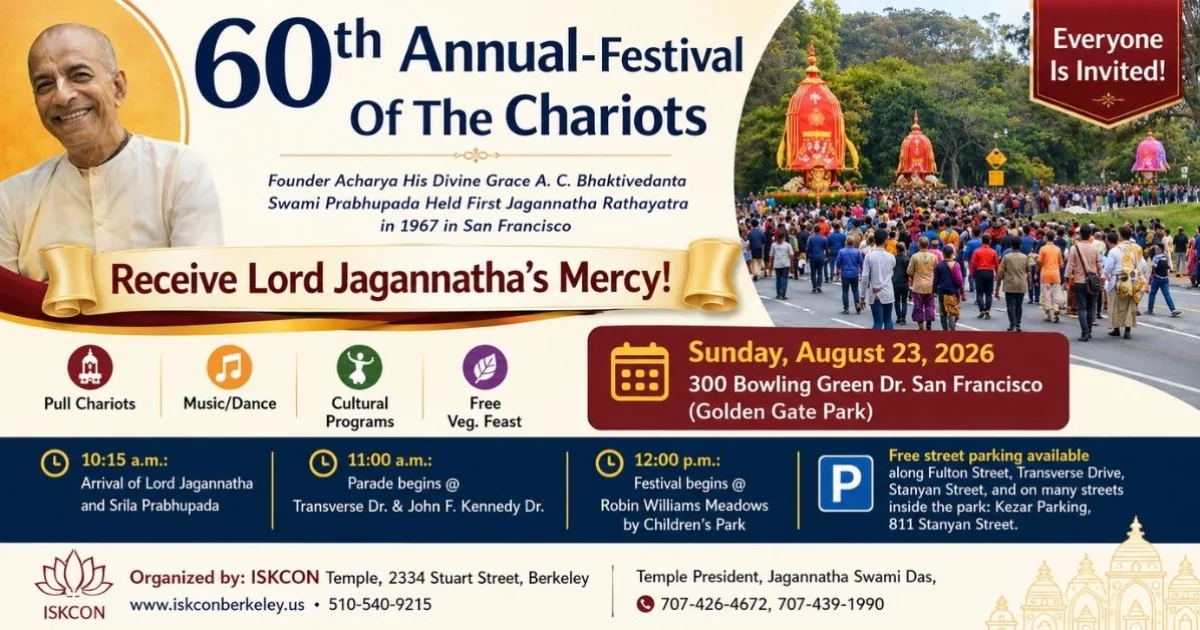
Desi festivals unite people across communities. Holi, Diwali, Eid, and Ramadan are celebrated with music, food, and prayer.
Festivals are opportunities to honor religion, culture, and community, while also teaching younger generations about tradition.
Desi art includes traditional paintings, sculptures, miniatures, folk crafts, and modern artworks.
Art often draws from mythology, nature, and social life. It reflects community values, history, and creativity.
Desi art is celebrated in galleries, homes, and festivals, keeping culture visible and alive.
Desi heritage includes temples, palaces, folk tales, music, and customs.
Preserving heritage connects people to their roots and strengthens cultural pride. It shows the depth and richness of South Asian identity.
Desi identity is shaped by language, religion, ethnicity, and shared experiences.
It crosses borders and adapts to new cultures while remaining rooted in tradition. Identity is fluid but connected to cultural values and community.
The Desi diaspora lives worldwide, including the U.S., Canada, the U.K., Australia, and the Middle East.
Diaspora communities maintain traditions, celebrate festivals, cook Desi food, and pass culture to younger generations, blending old and new ways of life.
Now, you have the answer to “What does Desi mean?” It represents a rich culture full of traditions, food, art, values, and family connections from South Asia.
Desi culture and traditions continue to thrive globally. They connect communities, preserve heritage, and inspire new generations worldwide.